Ultimate Phyto Pack
Ultimate Phyto Pack – 3 Bottles of Live Phytoplankton (Reef & Marine Aquariums)
The Ultimate Phyto Pack is a three-bottle live phytoplankton bundle designed for how most reef keepers dose phyto: as a foundation feed for the aquarium food web. Many customers start with one main goal (feeding copepods), then keep dosing because the benefits show up across the system through pods, microfauna, and filter feeders.
Why reef keepers dose live phyto
- Supports copepod reproduction and enrichment (useful for mandarins, wrasses, and “live-food” systems).
- Helps feed filter-feeding invertebrates such as sponges, feather dusters, and clams.
- Some corals can consume fine suspended foods, including phytoplankton, but results are species-dependent.
- Can influence nutrient dynamics by incorporating dissolved nutrients into biomass; outcomes depend on export and consumption.
What’s Included (3 Bottles)
This pack includes three separate single-strain cultures so you can dose individually or rotate for broader nutritional coverage.
Rhodomonas sp.
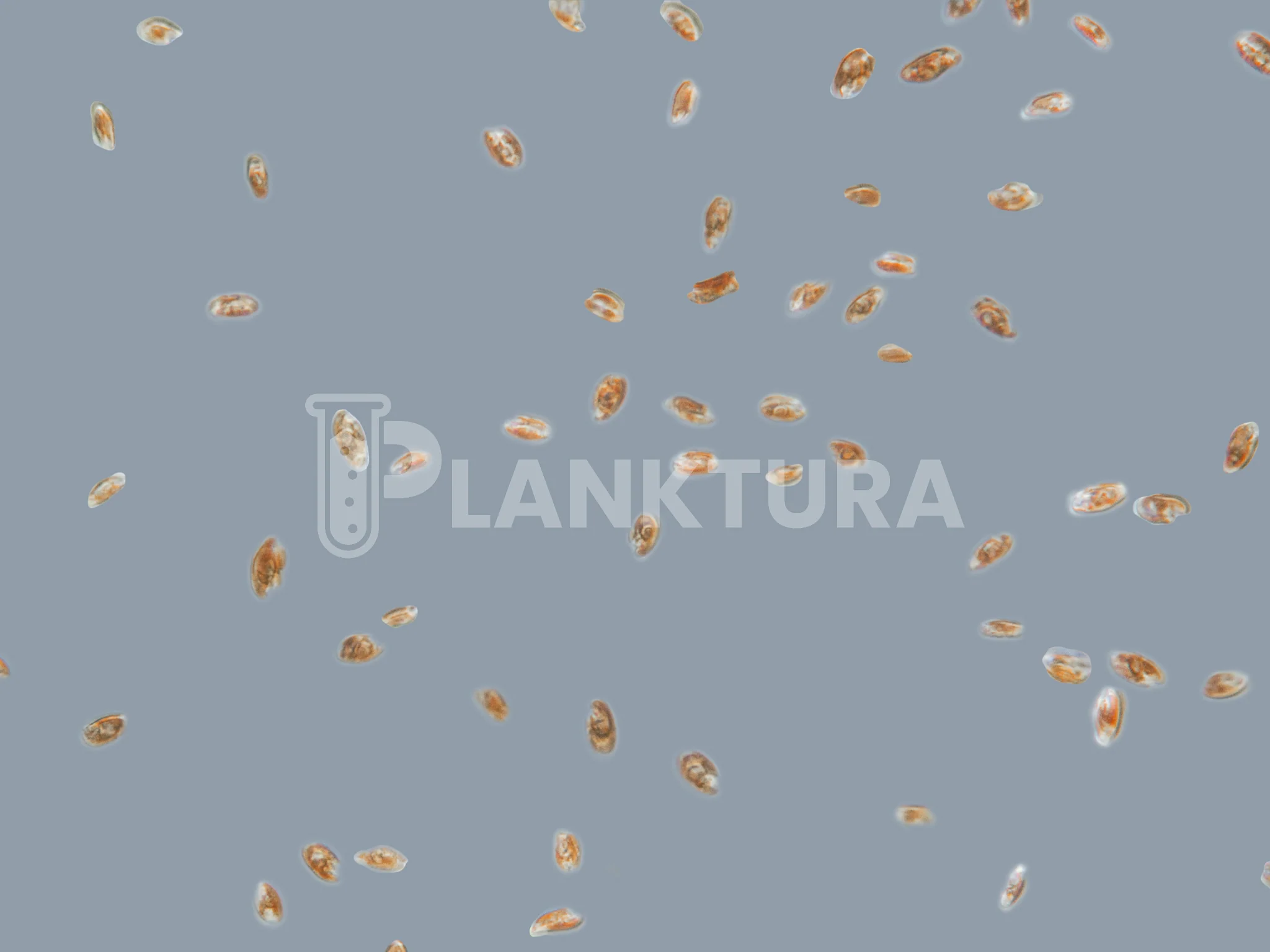
A red cryptophyte valued for diversity in reef-feeding routines. Its red pigment profile is associated with phycoerythrin (a light-harvesting pigment complex). Commonly used in enrichment and mixed-phyto rotations.
Isochrysis sp.
A golden-brown microalgae widely used for copepod enrichment and as a consistent “daily driver” phyto. Nutrient note: like other live phyto, it can incorporate dissolved nutrients into biomass. The most reliable nutrient-lowering effect happens when that biomass is consumed or exported (skimming, mechanical filtration, refugium harvest).
Tetraselmis sp.
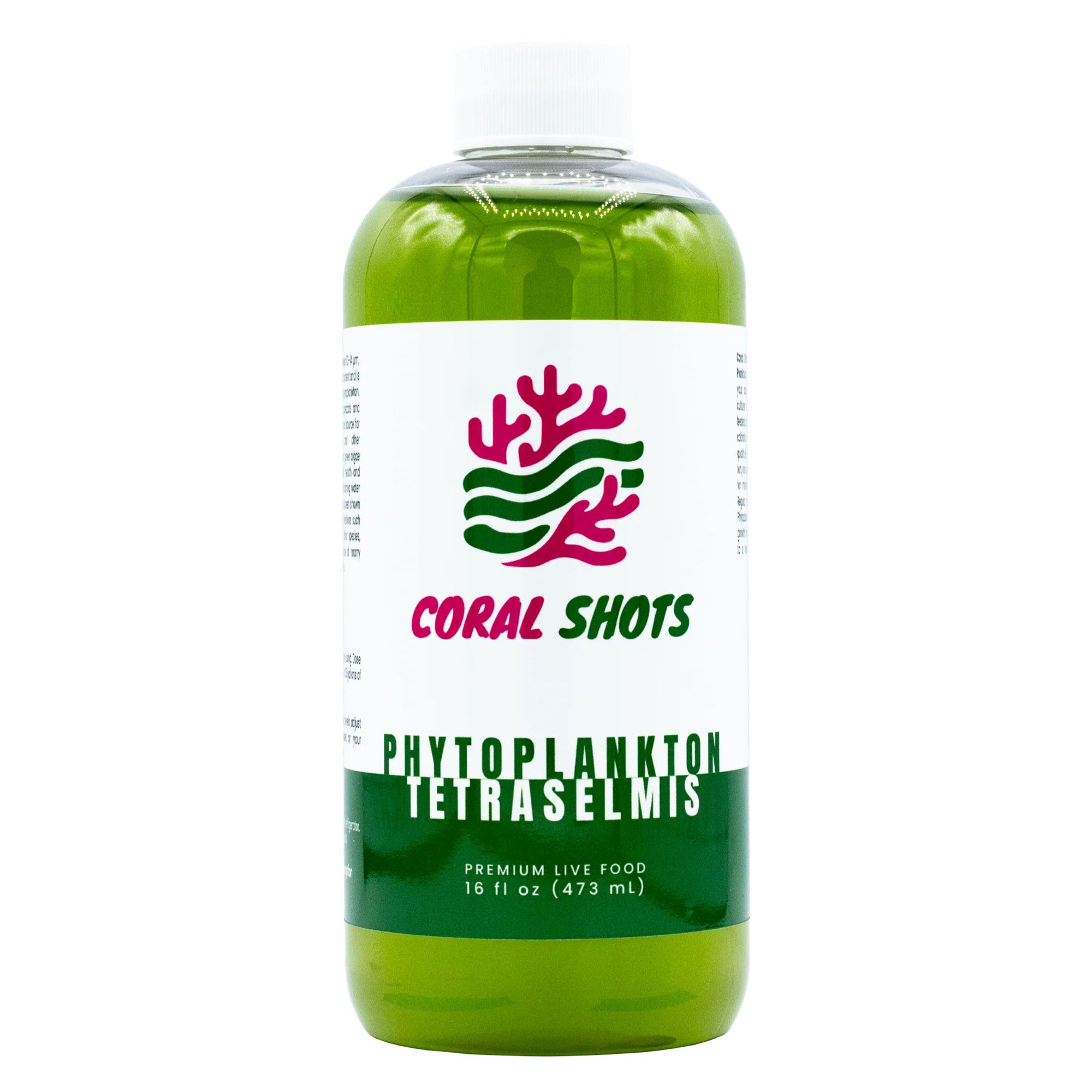
A green flagellate often used to broaden a rotation and keep microfauna active. A strong fit for mixed reefs and refugium-based systems focused on food-web stability.
How phytoplankton supports corals
Live phyto can support corals in two practical ways: directly (some coral species can capture and utilize very fine suspended foods, including phytoplankton), and indirectly (phyto feeds pods and other microfauna that become coral food in many systems). Most reef keepers see the most consistent results when phyto is dosed steadily and paired with appropriate export.
How to use (dosing + best practices)
General foundation feeding
Start at 1–5 mL per 10 gallons daily.
- Start low and adjust based on livestock response and NO3/PO4 trends.
- Consistency matters more than occasional heavy doses.
Copepod-focused systems
Smaller daily doses, consistently.
- Stable, repeatable dosing tends to support pod stability better than “spikes.”
- Keep it simple: dose daily and watch your system’s nutrient and algae response.
Maximizing time in water (optional)
Pause export briefly after dosing.
- Many reef keepers pause skimming or UV for 30–60 minutes to reduce immediate removal.
- If nutrients run high, you may prefer leaving export on and dosing more conservatively.
Storage & handling
- Refrigerate (never freeze).
- Shake daily to keep cells evenly suspended for consistent dosing.
- Best used within about 4 weeks of delivery for peak density and performance.
Pairs well with
- Ultimate Pod Pack (for building pod density and a stronger live-food chain)
- F/2 Phyto Fertilizer Set (for culturing phyto at home)
- What We Feed Our Corals (how phyto fits into our own systems)
FAQ
Is this mainly for copepods, or for the whole reef?
Both. Most customers start dosing phyto to support copepods, but it also feeds filter feeders and supports the broader microfauna food web. That food web effect is a big part of why phyto tends to benefit a wide range of reef systems.
Can Isochrysis help lower nutrients?
It can contribute by incorporating dissolved nitrate and phosphate into phytoplankton biomass. The biggest measurable impact typically comes when that biomass is consumed or exported (skimming, mechanical filtration, refugium harvest). If your tank is already nutrient-limited, dose more conservatively and monitor NO3/PO4.
Do I have to turn off my skimmer or UV?
Not required, but many reef keepers pause skimming or UV for 30–60 minutes after dosing to reduce immediate removal. If your nutrients run high, you may prefer leaving export on and dosing more conservatively.
Is this a blended bottle or three separate bottles?
Three separate bottles (three single-strain cultures): Rhodomonas, Isochrysis, and Tetraselmis. This gives you full control over dosing and rotation.
Taxonomy note: Organisms are listed at the genus level (for example, Isochrysis sp.) because exact species and strains may vary by culture line and are not specified on this bundle page.
Original: $39.63
-70%$39.63
$11.89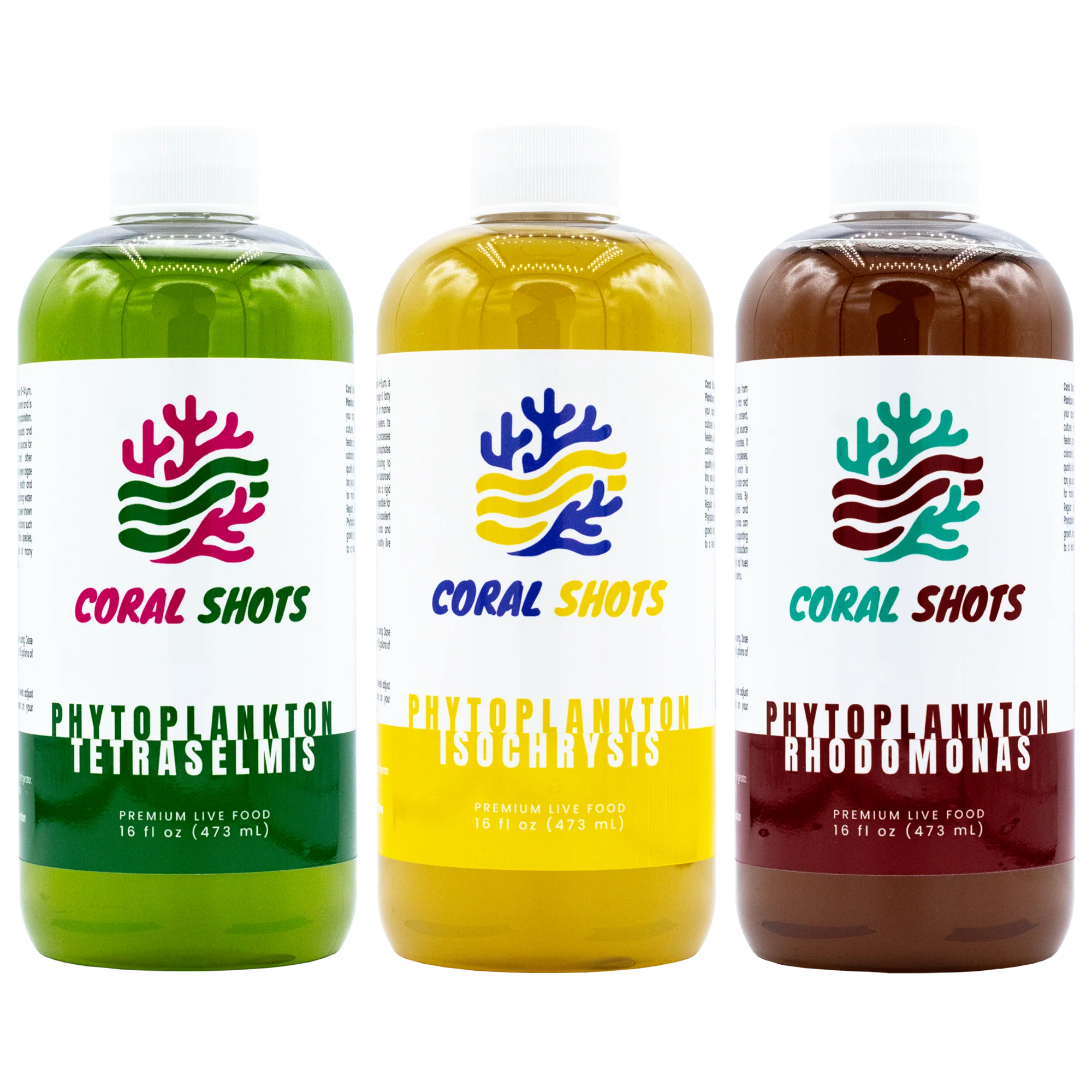
Description
Ultimate Phyto Pack – 3 Bottles of Live Phytoplankton (Reef & Marine Aquariums)
The Ultimate Phyto Pack is a three-bottle live phytoplankton bundle designed for how most reef keepers dose phyto: as a foundation feed for the aquarium food web. Many customers start with one main goal (feeding copepods), then keep dosing because the benefits show up across the system through pods, microfauna, and filter feeders.
Why reef keepers dose live phyto
- Supports copepod reproduction and enrichment (useful for mandarins, wrasses, and “live-food” systems).
- Helps feed filter-feeding invertebrates such as sponges, feather dusters, and clams.
- Some corals can consume fine suspended foods, including phytoplankton, but results are species-dependent.
- Can influence nutrient dynamics by incorporating dissolved nutrients into biomass; outcomes depend on export and consumption.
What’s Included (3 Bottles)
This pack includes three separate single-strain cultures so you can dose individually or rotate for broader nutritional coverage.
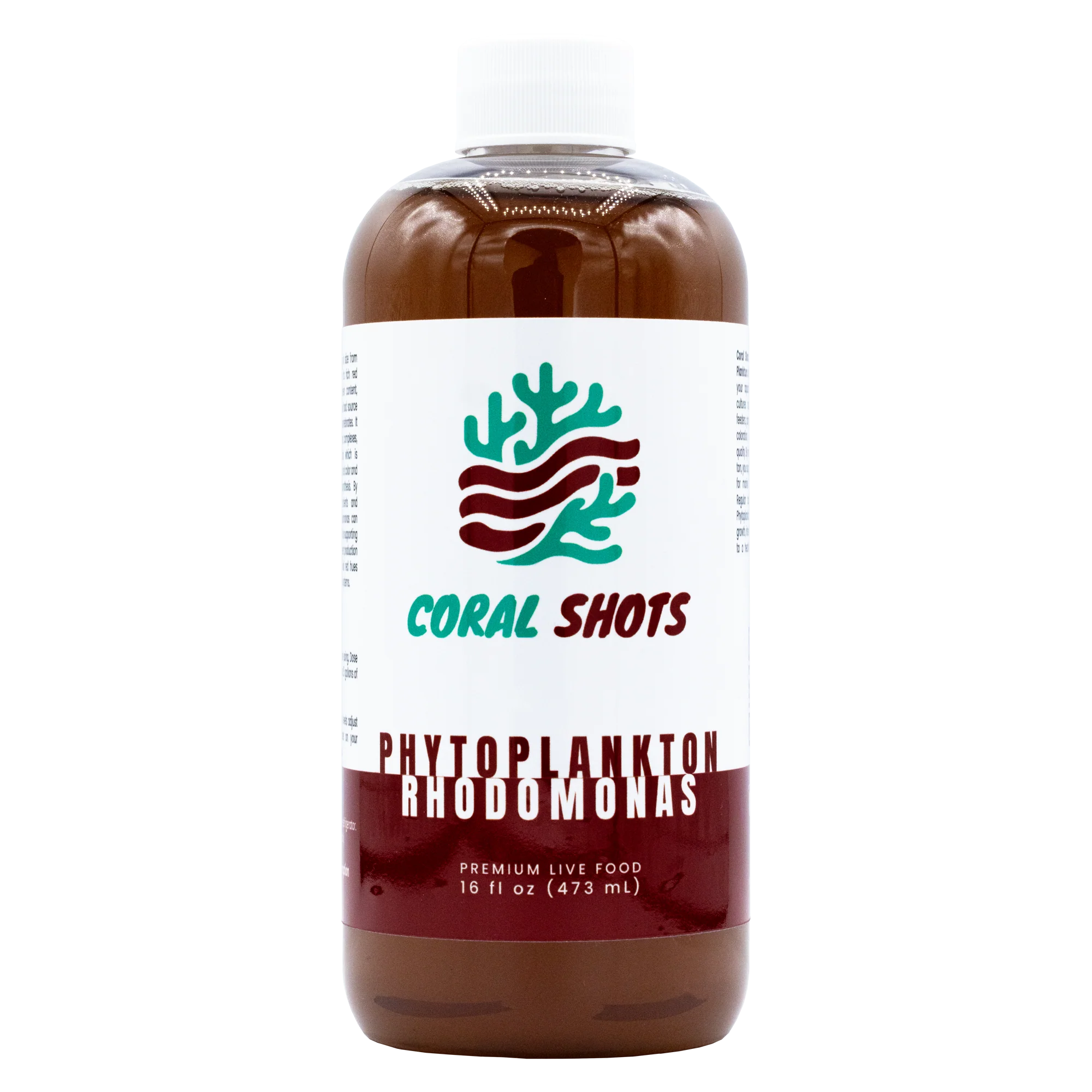
Rhodomonas sp.
A red cryptophyte valued for diversity in reef-feeding routines. Its red pigment profile is associated with phycoerythrin (a light-harvesting pigment complex). Commonly used in enrichment and mixed-phyto rotations.
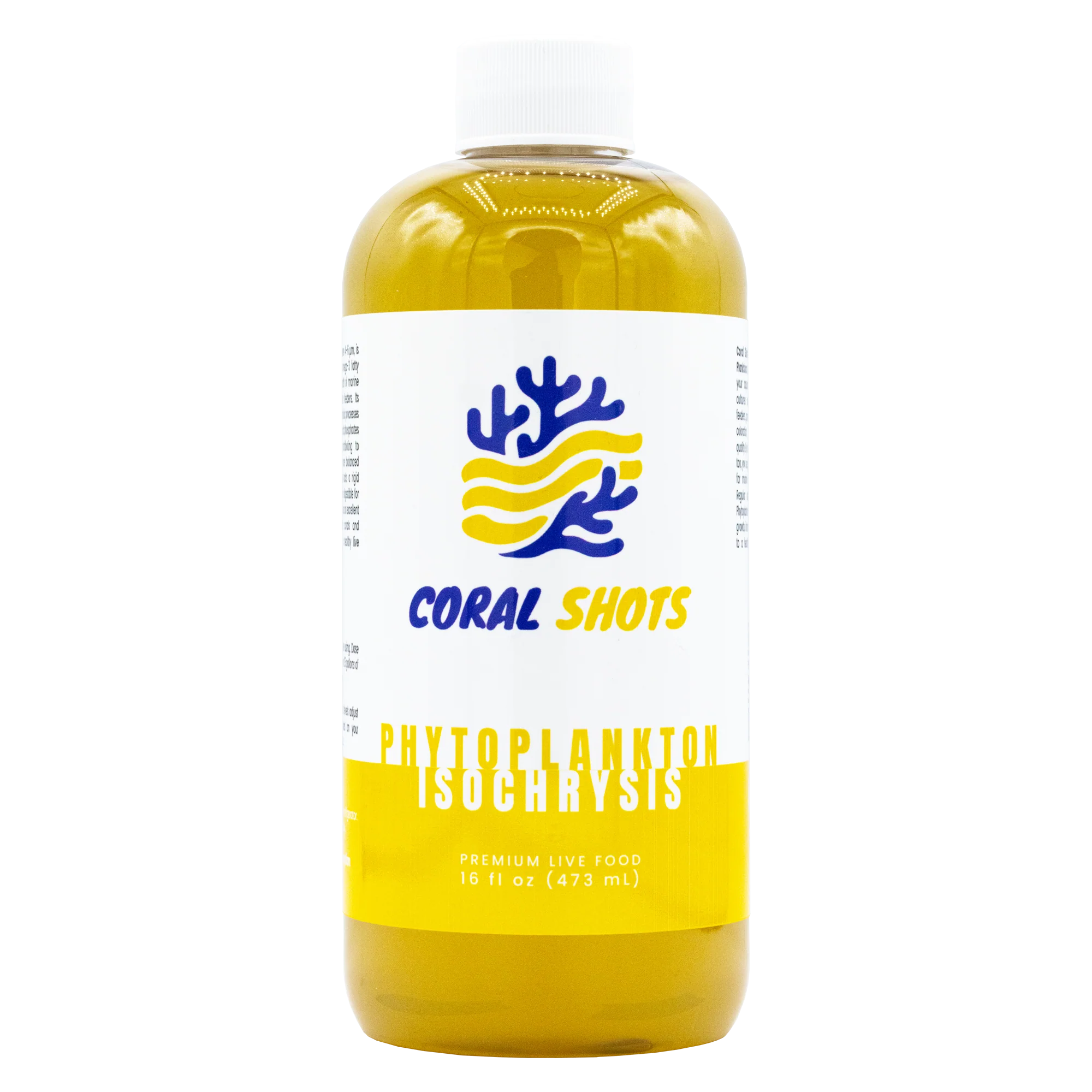
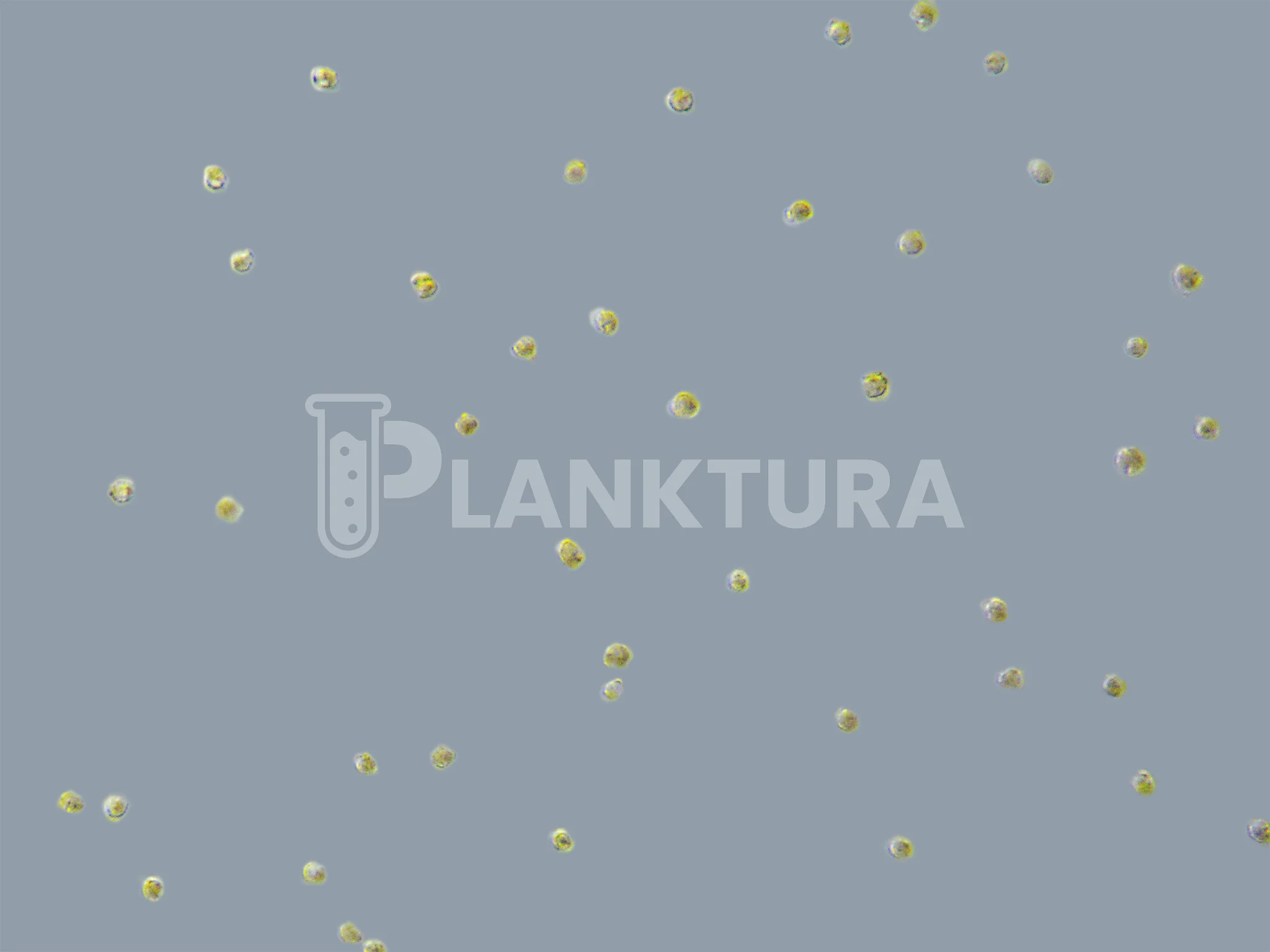
Isochrysis sp.
A golden-brown microalgae widely used for copepod enrichment and as a consistent “daily driver” phyto. Nutrient note: like other live phyto, it can incorporate dissolved nutrients into biomass. The most reliable nutrient-lowering effect happens when that biomass is consumed or exported (skimming, mechanical filtration, refugium harvest).
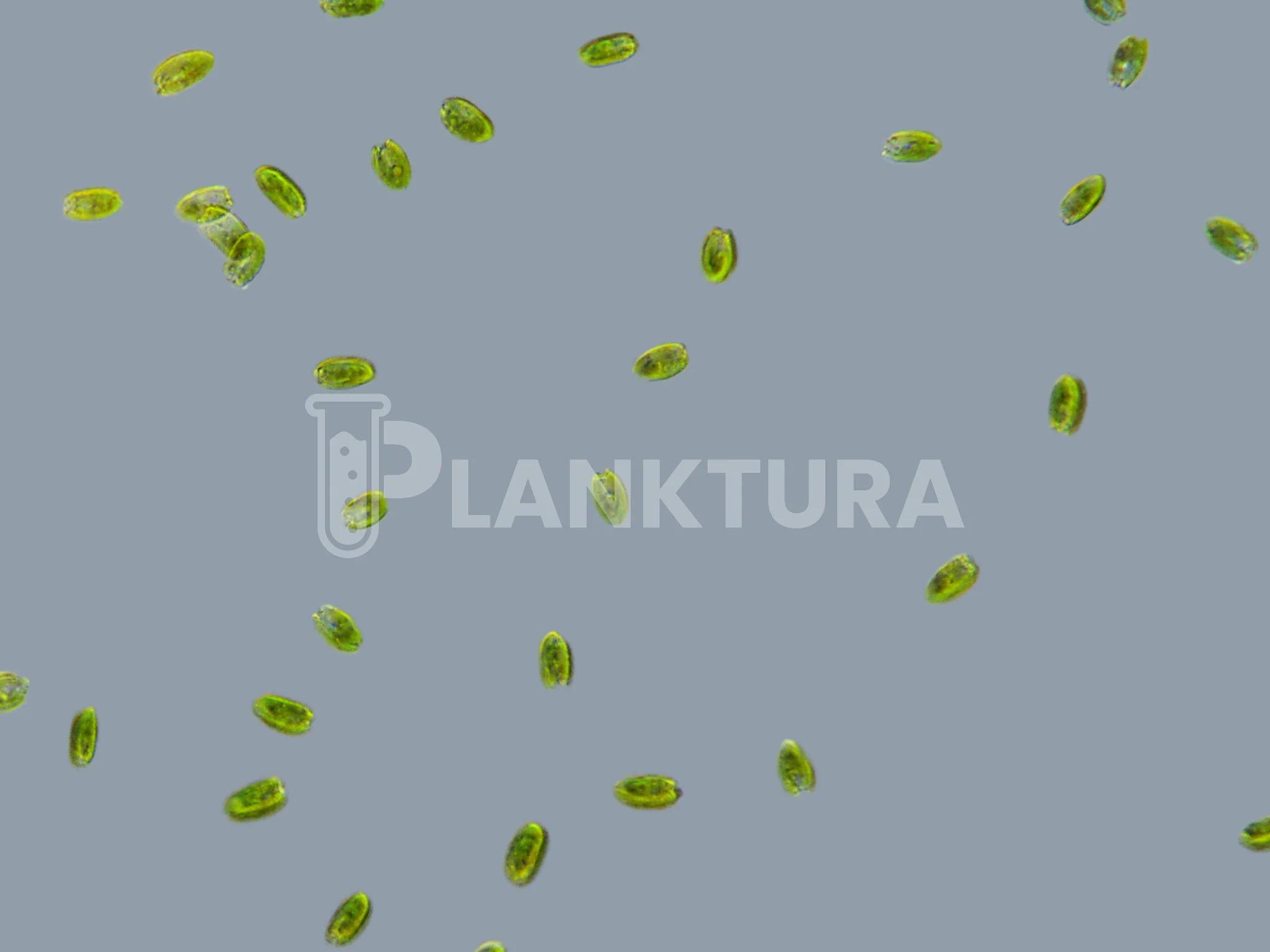
Tetraselmis sp.
A green flagellate often used to broaden a rotation and keep microfauna active. A strong fit for mixed reefs and refugium-based systems focused on food-web stability.
How phytoplankton supports corals
Live phyto can support corals in two practical ways: directly (some coral species can capture and utilize very fine suspended foods, including phytoplankton), and indirectly (phyto feeds pods and other microfauna that become coral food in many systems). Most reef keepers see the most consistent results when phyto is dosed steadily and paired with appropriate export.
How to use (dosing + best practices)
General foundation feeding
Start at 1–5 mL per 10 gallons daily.
- Start low and adjust based on livestock response and NO3/PO4 trends.
- Consistency matters more than occasional heavy doses.
Copepod-focused systems
Smaller daily doses, consistently.
- Stable, repeatable dosing tends to support pod stability better than “spikes.”
- Keep it simple: dose daily and watch your system’s nutrient and algae response.
Maximizing time in water (optional)
Pause export briefly after dosing.
- Many reef keepers pause skimming or UV for 30–60 minutes to reduce immediate removal.
- If nutrients run high, you may prefer leaving export on and dosing more conservatively.
Storage & handling
- Refrigerate (never freeze).
- Shake daily to keep cells evenly suspended for consistent dosing.
- Best used within about 4 weeks of delivery for peak density and performance.
Pairs well with
- Ultimate Pod Pack (for building pod density and a stronger live-food chain)
- F/2 Phyto Fertilizer Set (for culturing phyto at home)
- What We Feed Our Corals (how phyto fits into our own systems)
FAQ
Is this mainly for copepods, or for the whole reef?
Both. Most customers start dosing phyto to support copepods, but it also feeds filter feeders and supports the broader microfauna food web. That food web effect is a big part of why phyto tends to benefit a wide range of reef systems.
Can Isochrysis help lower nutrients?
It can contribute by incorporating dissolved nitrate and phosphate into phytoplankton biomass. The biggest measurable impact typically comes when that biomass is consumed or exported (skimming, mechanical filtration, refugium harvest). If your tank is already nutrient-limited, dose more conservatively and monitor NO3/PO4.
Do I have to turn off my skimmer or UV?
Not required, but many reef keepers pause skimming or UV for 30–60 minutes after dosing to reduce immediate removal. If your nutrients run high, you may prefer leaving export on and dosing more conservatively.
Is this a blended bottle or three separate bottles?
Three separate bottles (three single-strain cultures): Rhodomonas, Isochrysis, and Tetraselmis. This gives you full control over dosing and rotation.
Taxonomy note: Organisms are listed at the genus level (for example, Isochrysis sp.) because exact species and strains may vary by culture line and are not specified on this bundle page.