Ultimate Pod Pack
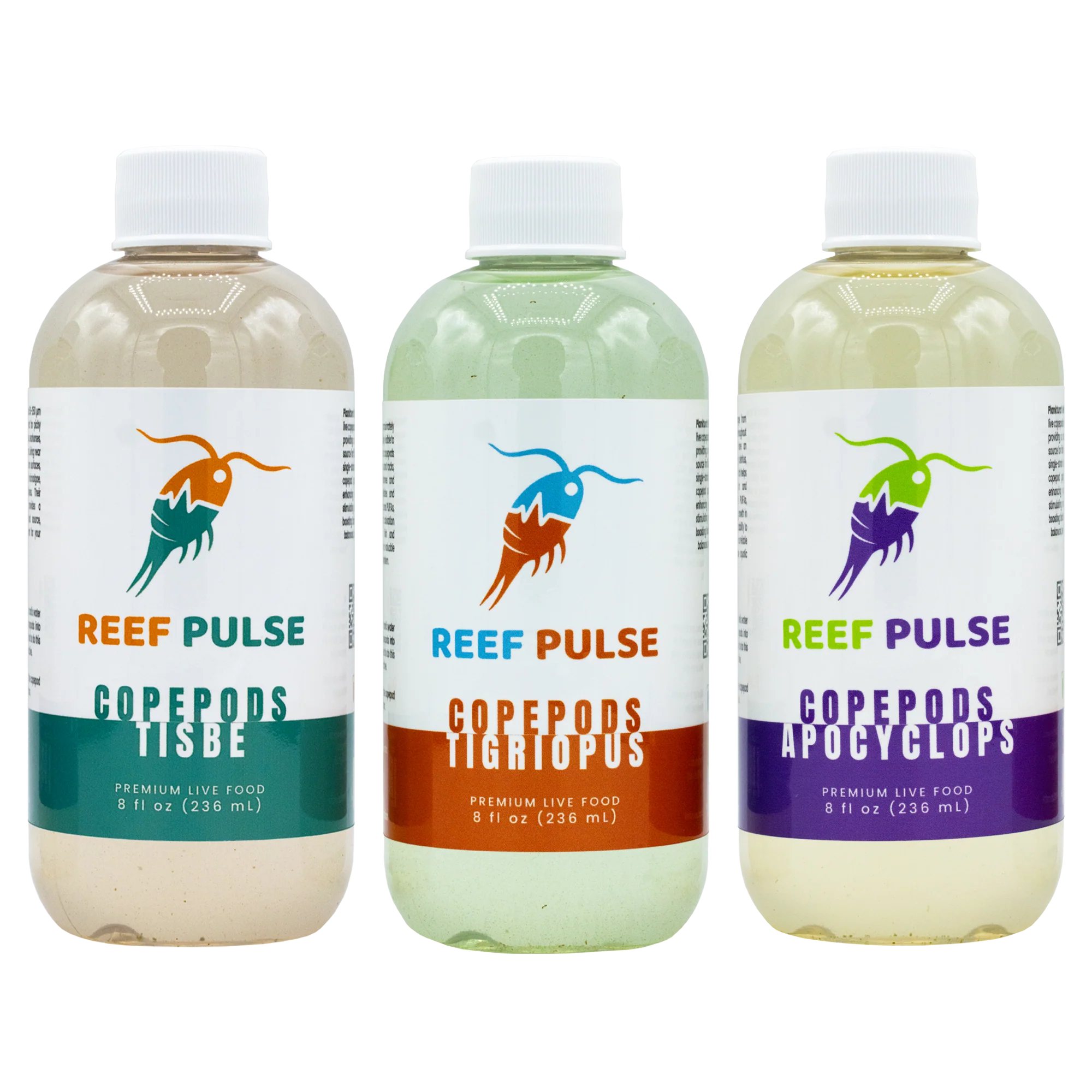
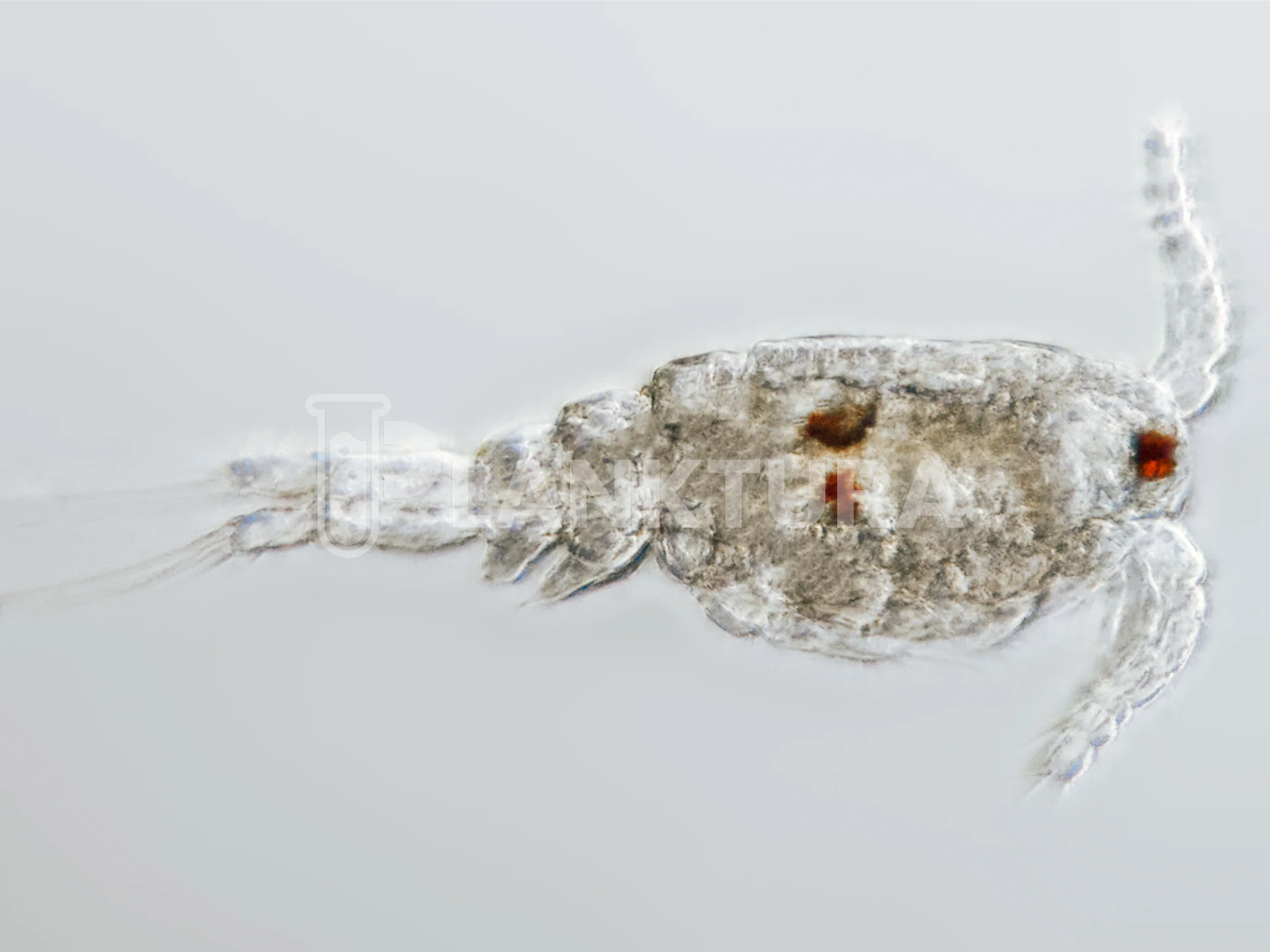
Ultimate Pod Pack is the Planktura Reef Pulse three-bottle bundle of live copepods for reef and marine aquariums. You get three separate 8 oz bottles (single-genus per bottle) so you can seed multiple niches in your tank, not just one “type” of pod.
- Includes: 3 × 8 oz bottles (Tigriopus sp., Apocyclops sp., Tisbe sp.)
- Best for: refugium seeding, natural feeding, and copepods for mandarin dragonets
- Recommended pairing: consistent live phytoplankton dosing
- Best introduction method: add after lights out into refugium and rockwork
Pairs well with Ultimate Phyto Pack.
Live Copepods for Reef Tanks: What It Does
This Planktura Reef Pulse bundle helps establish and reinforce a diverse copepod population that can persist in protected zones (refugium, rubble, macroalgae) and provide ongoing live prey in the display.
- Seeds biodiversity in the display and refugium
- Provides live prey for picky feeders (mandarins, pipefish, some wrasses)
- Supports a more natural reef food web
Why It Works
Different copepods behave differently. By combining three genera, you improve coverage across rockwork, sandbed, and refugium habitat and reduce the chance that one niche gets over-predated.
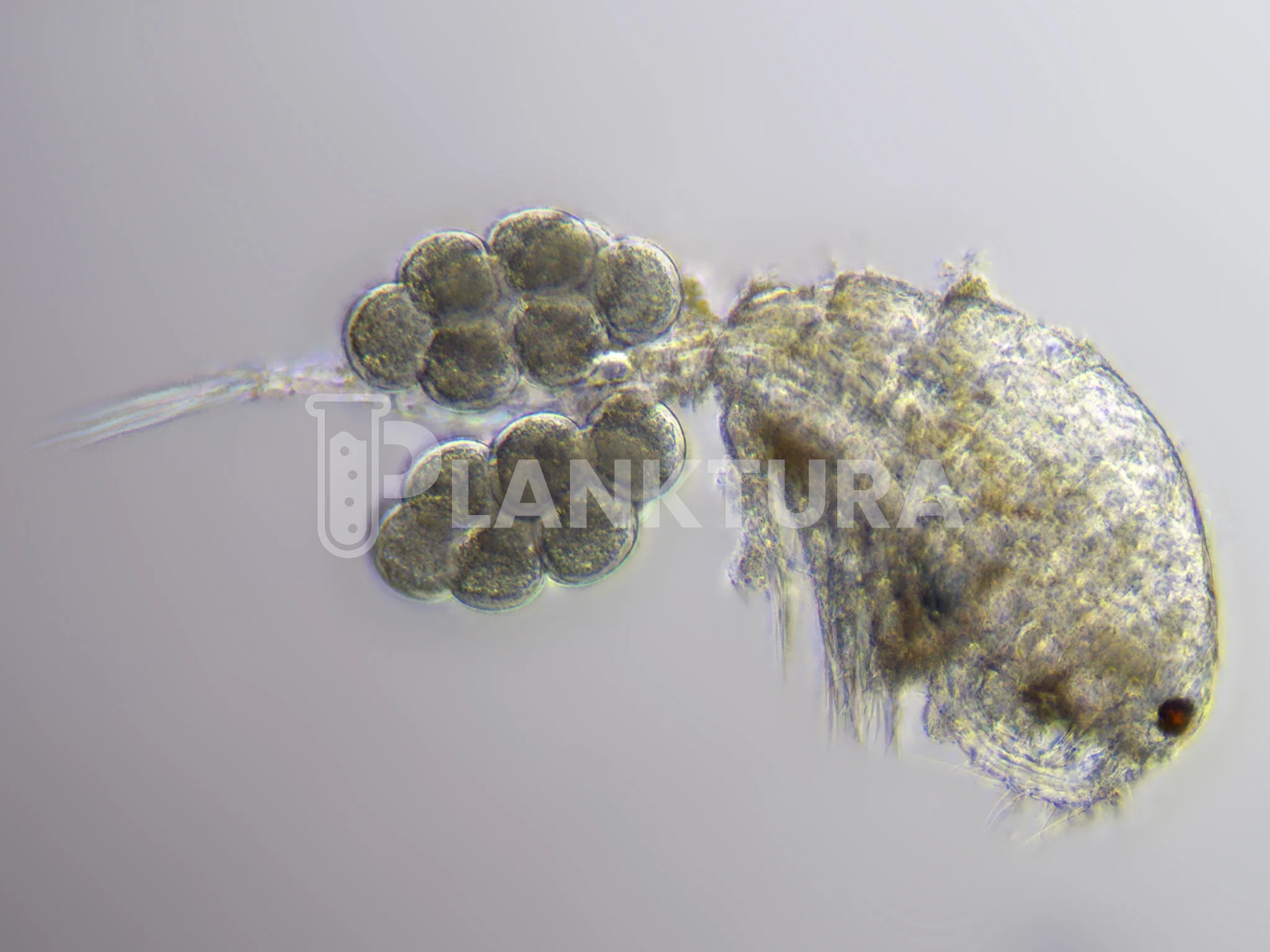
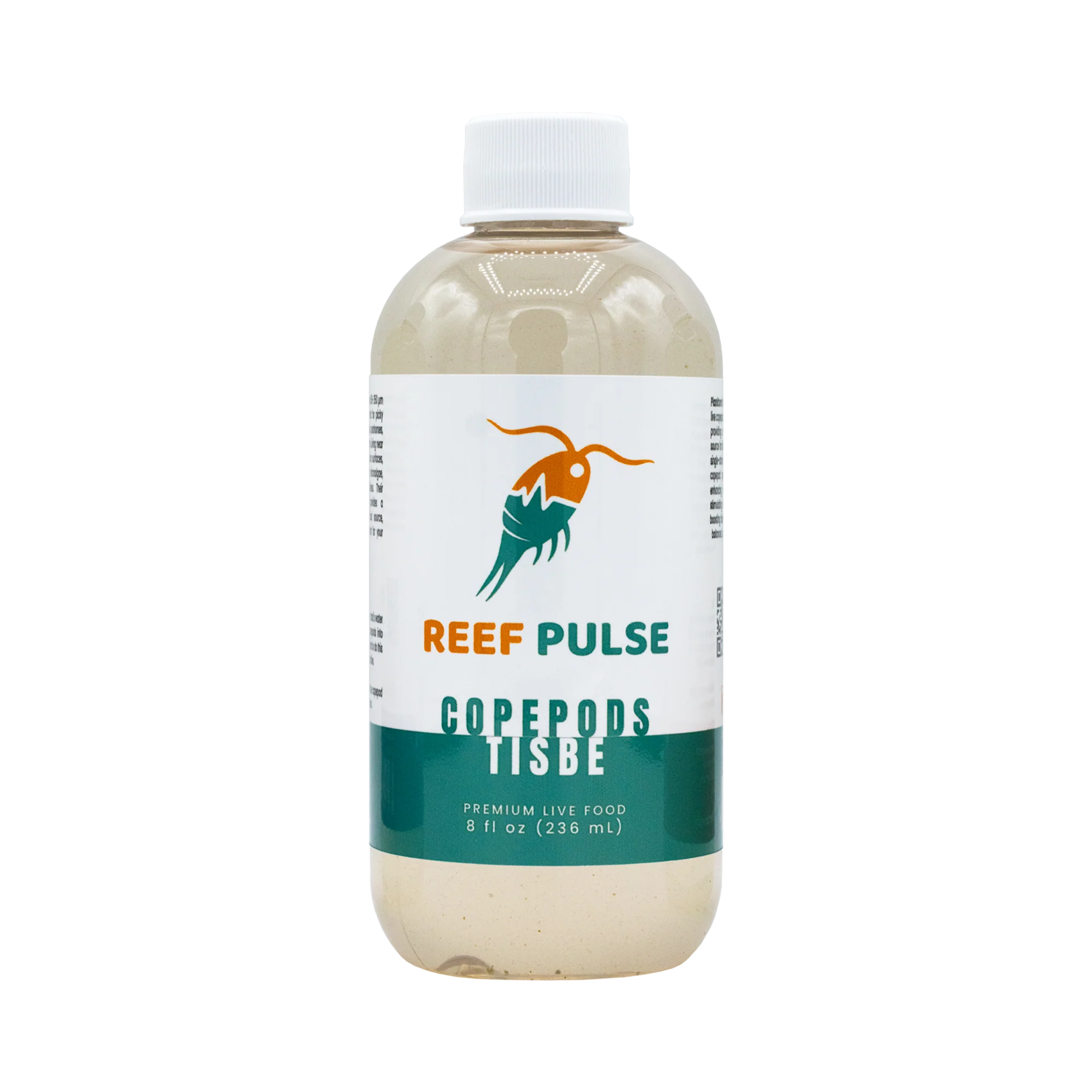
- Tisbe sp. (smaller, benthic): tends to persist in rockwork, rubble, and macroalgae
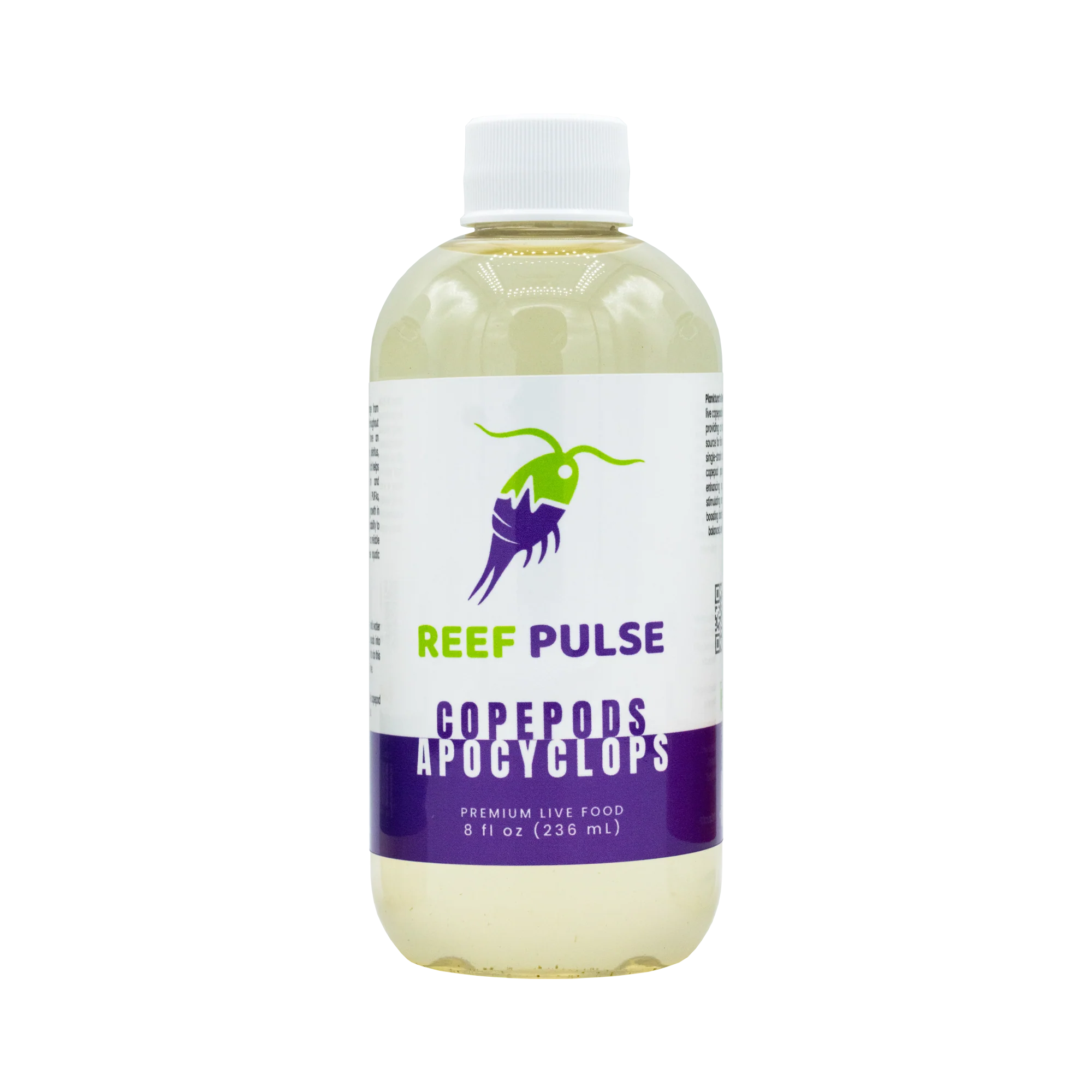
- Apocyclops sp. (more water-column active): distributes through the system and increases fish encounter rates
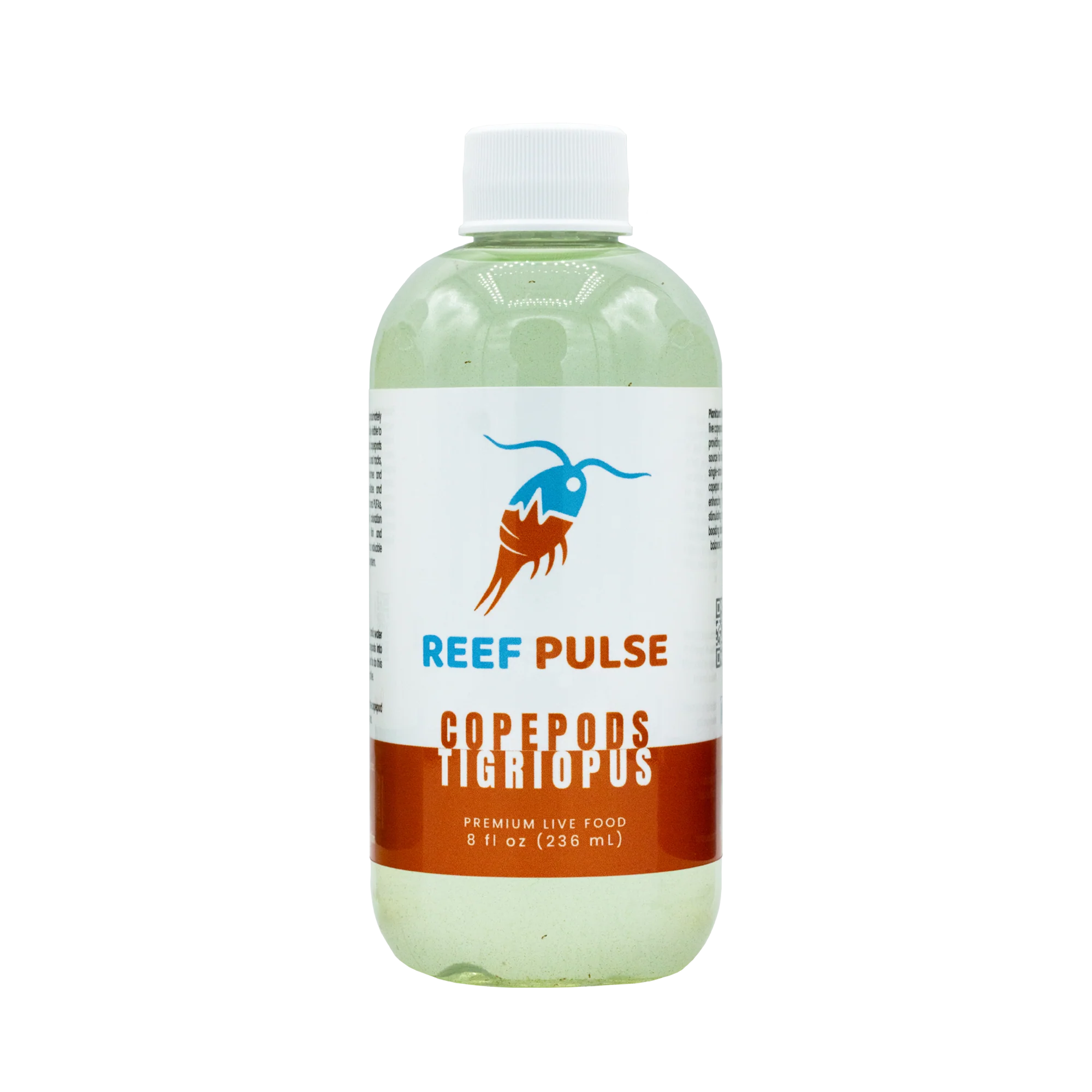
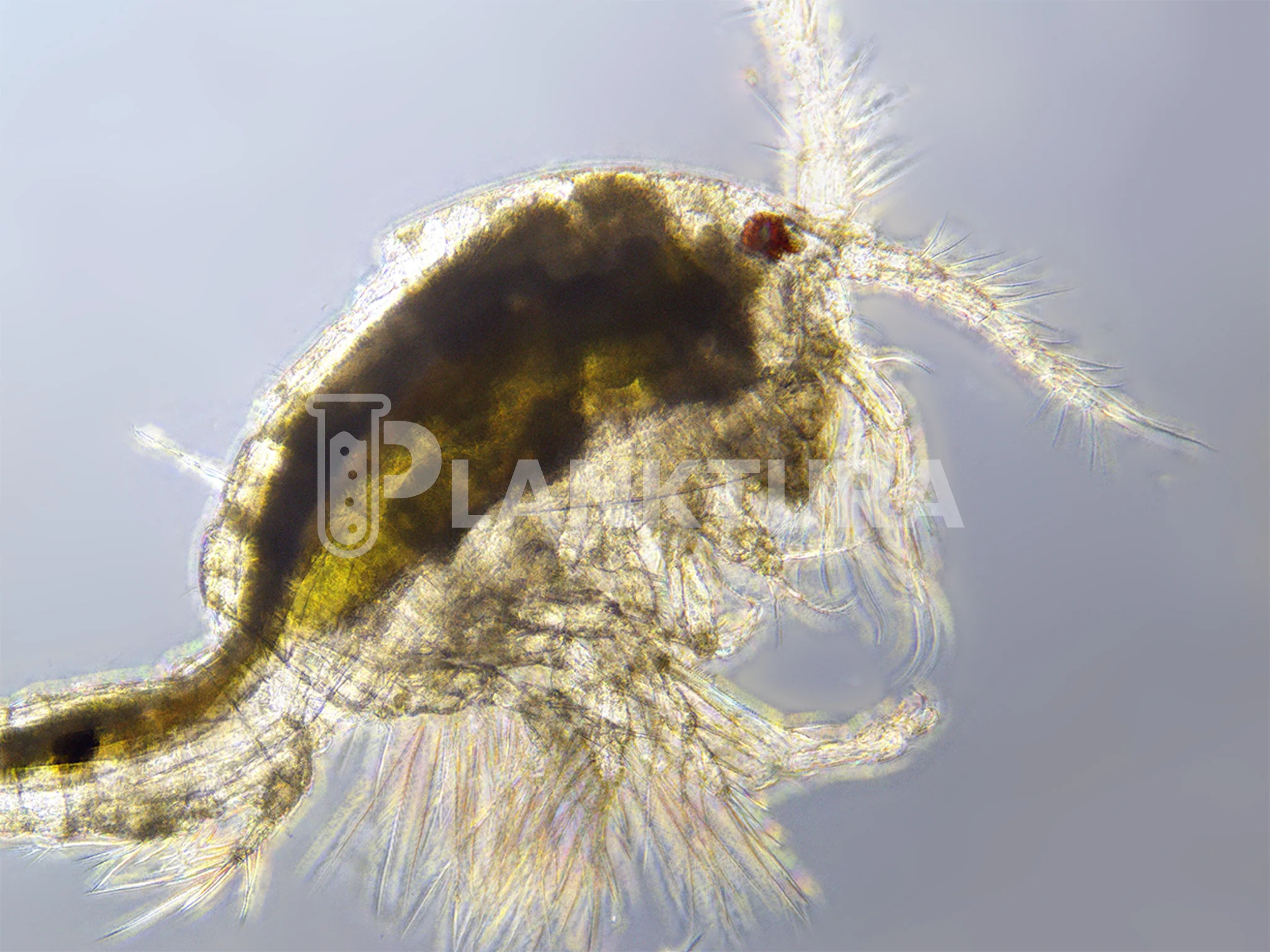
- Tigriopus sp. (larger, robust): adds a bigger prey size option and is easy to spot
If you want to target a specific Reef Pulse culture, you can also run them individually:
- Reef Pulse Tigriopus Live Copepods
- Reef Pulse Apocyclops Live Copepods
- Reef Pulse Tisbe Live Copepods
How To Add Copepods to a Reef Tank
For the highest survival rate, introduce copepods when predation and filtration pressure are lowest.
- Temperature acclimate the bottles (float for 10 to 15 minutes).
- Gently swirl each bottle to re-suspend pods before pouring.
- Add after lights out.
- Target a refugium first (if you have one), then add some into rockwork and along the sandbed.
- Optional: pause fine mechanical filtration and UV for 30 to 60 minutes during introduction.
For best long-term results, feed the base of the food chain. Consistent live phytoplankton dosing supports copepod persistence and reproduction.
Who It’s For
- Reef keepers adding a mandarin dragonet or other pod-dependent fish
- Refugium-based systems where you want a stable, self-replenishing live food source
- Mixed reefs that benefit from stronger microfauna activity
- Established reefs where pod predation is high and you want to replenish
FAQ
Will these copepods reproduce in my tank?
They can, especially when there is habitat (rock rubble, refugium, macroalgae) and consistent food (often live phytoplankton). In high-predation displays, reproduction may mainly happen in protected zones.
Do I need a refugium?
Not required, but strongly recommended if your goal is a self-sustaining pod population. A refugium provides a low-predation area where pods can breed.
Can I add all three 8 oz bottles at once?
Yes. Many reef keepers add them together at night. If you want to reduce immediate predation pressure, you can stagger additions (for example, one bottle per week).
How should I store bottles if I am not using them immediately?
Use as fresh as possible after delivery for best viability. If bottles are stored and not fully used immediately, they need to be oxygenated daily. Keep the bottles sealed between oxygenation periods to prevent spills.
What does “oxygenated daily” mean?
In this case, it simply means removing the lid for about 30 minutes once per day, then re-sealing the bottle.
Do copepods fix dinoflagellates or cyanobacteria?
Copepods can graze biofilms and contribute to a healthier micro-ecosystem, but they are not a guaranteed cure for cyano or dinoflagellate outbreaks. Use them as part of a broader stability plan (nutrients, export, flow, and consistent feeding).
Description
Ultimate Pod Pack is the Planktura Reef Pulse three-bottle bundle of live copepods for reef and marine aquariums. You get three separate 8 oz bottles (single-genus per bottle) so you can seed multiple niches in your tank, not just one “type” of pod.
- Includes: 3 × 8 oz bottles (Tigriopus sp., Apocyclops sp., Tisbe sp.)
- Best for: refugium seeding, natural feeding, and copepods for mandarin dragonets
- Recommended pairing: consistent live phytoplankton dosing
- Best introduction method: add after lights out into refugium and rockwork
Pairs well with Ultimate Phyto Pack.
Live Copepods for Reef Tanks: What It Does
This Planktura Reef Pulse bundle helps establish and reinforce a diverse copepod population that can persist in protected zones (refugium, rubble, macroalgae) and provide ongoing live prey in the display.
- Seeds biodiversity in the display and refugium
- Provides live prey for picky feeders (mandarins, pipefish, some wrasses)
- Supports a more natural reef food web
Why It Works
Different copepods behave differently. By combining three genera, you improve coverage across rockwork, sandbed, and refugium habitat and reduce the chance that one niche gets over-predated.
- Tisbe sp. (smaller, benthic): tends to persist in rockwork, rubble, and macroalgae
- Apocyclops sp. (more water-column active): distributes through the system and increases fish encounter rates
- Tigriopus sp. (larger, robust): adds a bigger prey size option and is easy to spot
If you want to target a specific Reef Pulse culture, you can also run them individually:
- Reef Pulse Tigriopus Live Copepods
- Reef Pulse Apocyclops Live Copepods
- Reef Pulse Tisbe Live Copepods
How To Add Copepods to a Reef Tank
For the highest survival rate, introduce copepods when predation and filtration pressure are lowest.
- Temperature acclimate the bottles (float for 10 to 15 minutes).
- Gently swirl each bottle to re-suspend pods before pouring.
- Add after lights out.
- Target a refugium first (if you have one), then add some into rockwork and along the sandbed.
- Optional: pause fine mechanical filtration and UV for 30 to 60 minutes during introduction.
For best long-term results, feed the base of the food chain. Consistent live phytoplankton dosing supports copepod persistence and reproduction.
Who It’s For
- Reef keepers adding a mandarin dragonet or other pod-dependent fish
- Refugium-based systems where you want a stable, self-replenishing live food source
- Mixed reefs that benefit from stronger microfauna activity
- Established reefs where pod predation is high and you want to replenish
FAQ
Will these copepods reproduce in my tank?
They can, especially when there is habitat (rock rubble, refugium, macroalgae) and consistent food (often live phytoplankton). In high-predation displays, reproduction may mainly happen in protected zones.
Do I need a refugium?
Not required, but strongly recommended if your goal is a self-sustaining pod population. A refugium provides a low-predation area where pods can breed.
Can I add all three 8 oz bottles at once?
Yes. Many reef keepers add them together at night. If you want to reduce immediate predation pressure, you can stagger additions (for example, one bottle per week).
How should I store bottles if I am not using them immediately?
Use as fresh as possible after delivery for best viability. If bottles are stored and not fully used immediately, they need to be oxygenated daily. Keep the bottles sealed between oxygenation periods to prevent spills.
What does “oxygenated daily” mean?
In this case, it simply means removing the lid for about 30 minutes once per day, then re-sealing the bottle.
Do copepods fix dinoflagellates or cyanobacteria?
Copepods can graze biofilms and contribute to a healthier micro-ecosystem, but they are not a guaranteed cure for cyano or dinoflagellate outbreaks. Use them as part of a broader stability plan (nutrients, export, flow, and consistent feeding).